Choose the Control Mode
Choose the control approach that fits your machine
Compare the characteristics of each category, then explore its models. Each photo shows one representative product.
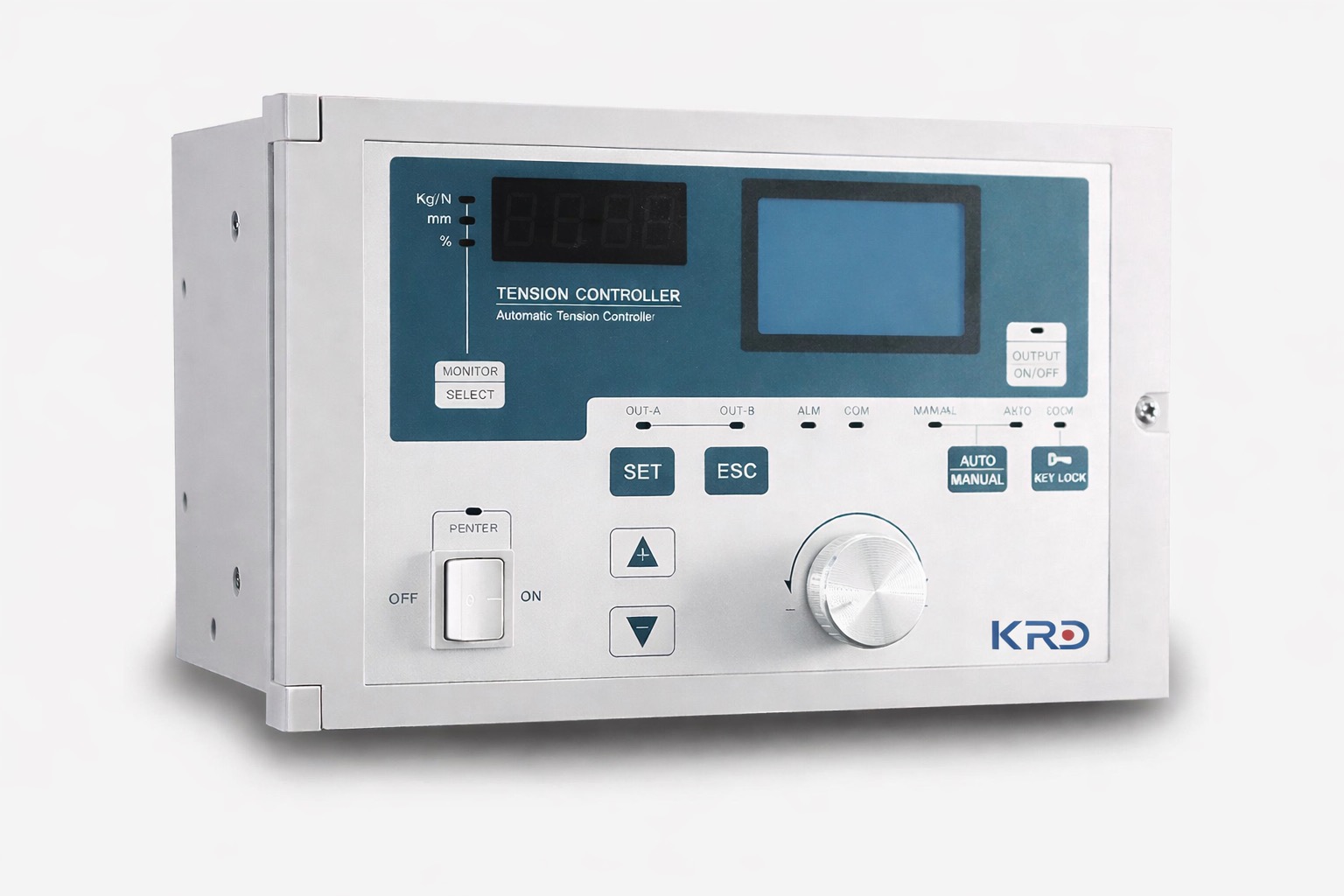
Automatic tension control
Feedback-driven adjustment
Uses measured tension feedback to adjust output as operating conditions change, helping maintain the set tension during production.
Suitable for applications needing continuous correction. Available feedback, calculated open-loop and taper functions depend on the model.

Semi-automatic tension control
Calculation-based adjustment
Calculates output from roll diameter, speed signals or material settings, following changes during unwinding and rewinding.
Suitable when the machine can provide the required calculation inputs. Setup and calibration are needed; tension is estimated rather than directly measured.
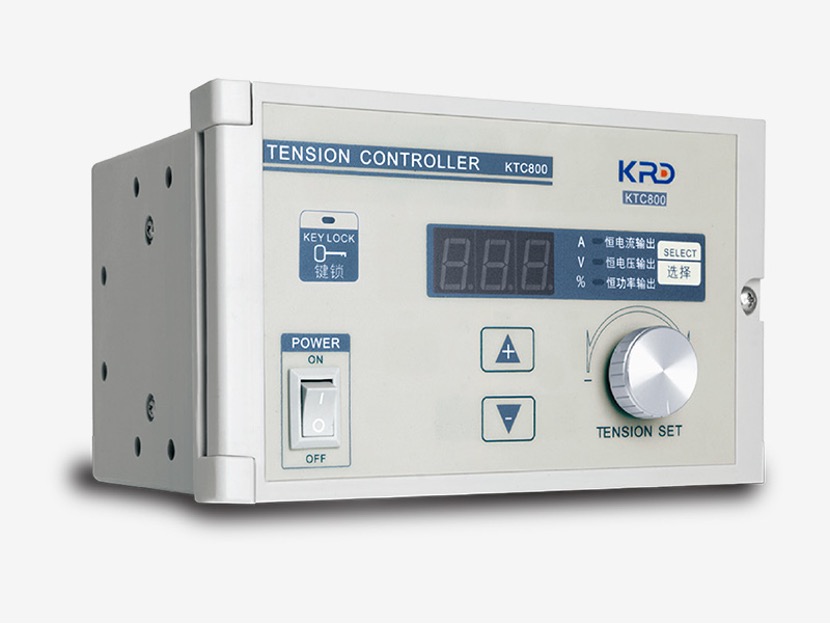
Manual tension control
Operator-set output
Lets the operator set the output to a brake or clutch. Current, voltage or power adjustment is available depending on the model.
Suitable for straightforward applications with operator adjustment. Changes in roll diameter or process conditions may require the output to be readjusted.
Confirm three things before choosing a controller
01 / Feedback or calculation
Identify tension sensors, dancer signals, encoders or speed signals already available. Different models accept different input combinations.
02 / Output and actuator
Identify the brake, clutch, inverter or servo drive. Confirm its voltage, current and command input against the controller specification.
03 / Machine operation
Share the unwind or rewind section, target tension range, speed and diameter changes, and whether taper control is needed.
Not sure which control mode fits?
Tell us what you know about the material, machine and existing components. Incomplete technical details are welcome; we can help narrow the options.